

Applications
Rerawa sleepers
on live track
Rerawa sleepers are in revenue service in several Turkish cities; dozens of trains pass over them every day. Every photograph below was taken on those lines.
Kayseri
Light-rail
line
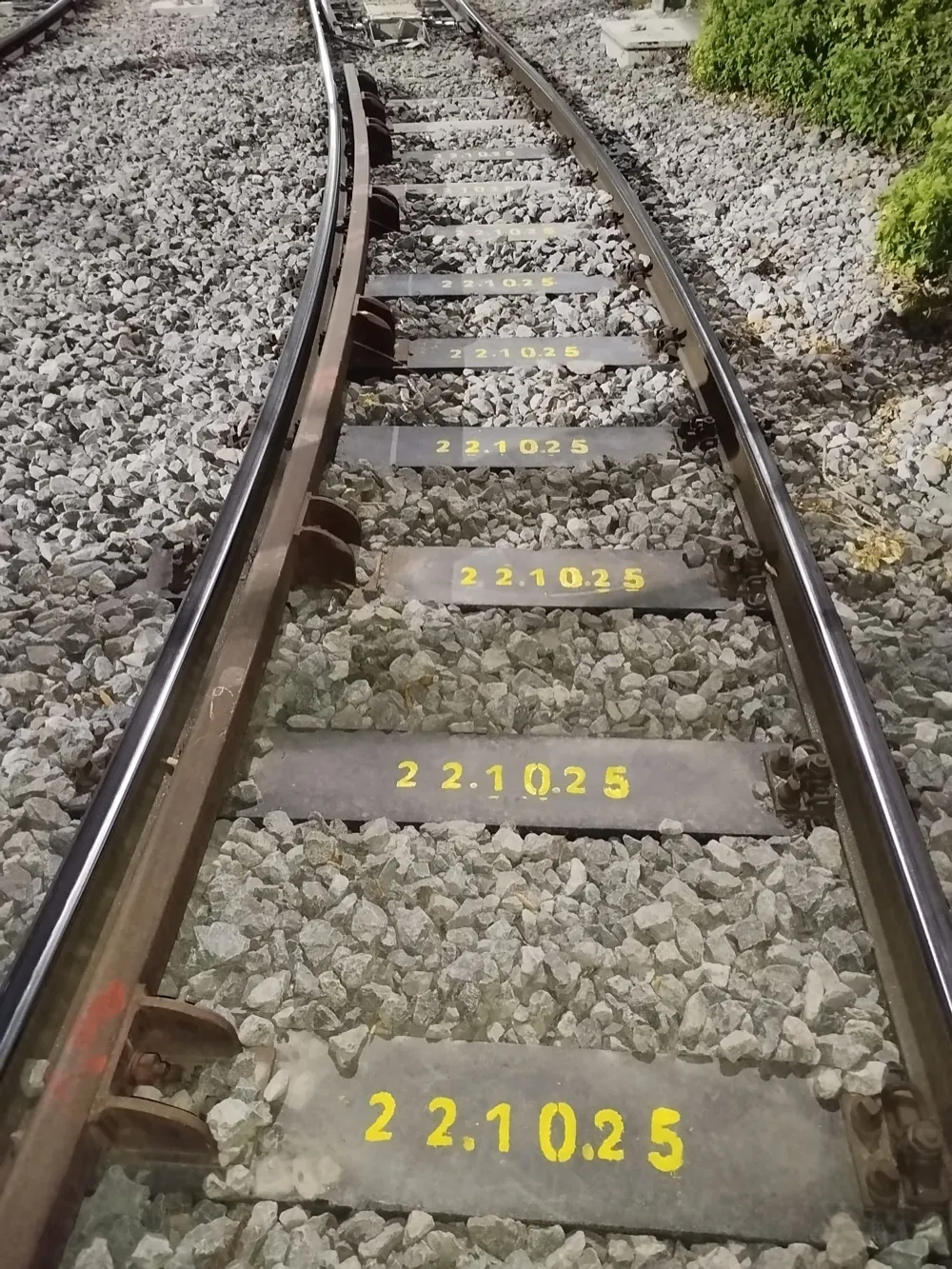
Timber sleepers on a curved section of the line were replaced with composite. The existing rail profile and coach-screw fastening were retained; nothing else on the track was touched. Possession time was kept short.
- Sleeper replacement on curve geometry
- Direct fit to the existing coach-screw fastening — no steel baseplate
- Drilling and adjustment carried out on site
- Continental climate: winter temperatures fall into the minus twenties, and the sleepers remain dimensionally stable
Adana
Metro
viaduct
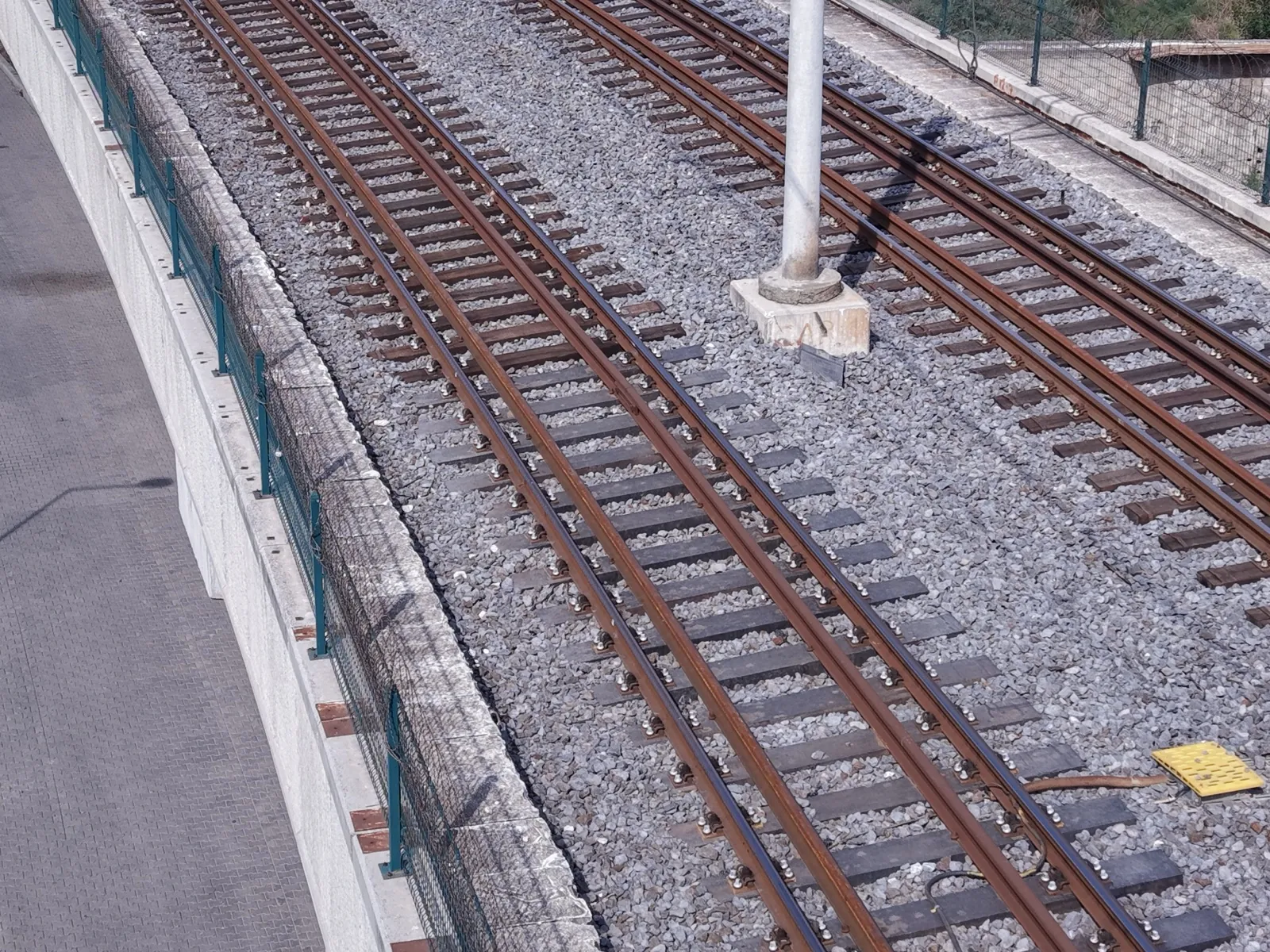
The viaduct section of the metro was laid on composite sleepers and is in revenue service.
- Continuous track on the viaduct
- Full-length, one-piece sleepers in the turnout zone
- Reduced transmission of noise and vibration on the structure
- Mediterranean climate: rail temperatures exceed 50 °C in summer, and the sleepers remain dimensionally stable
Bursa
Urban
rail line
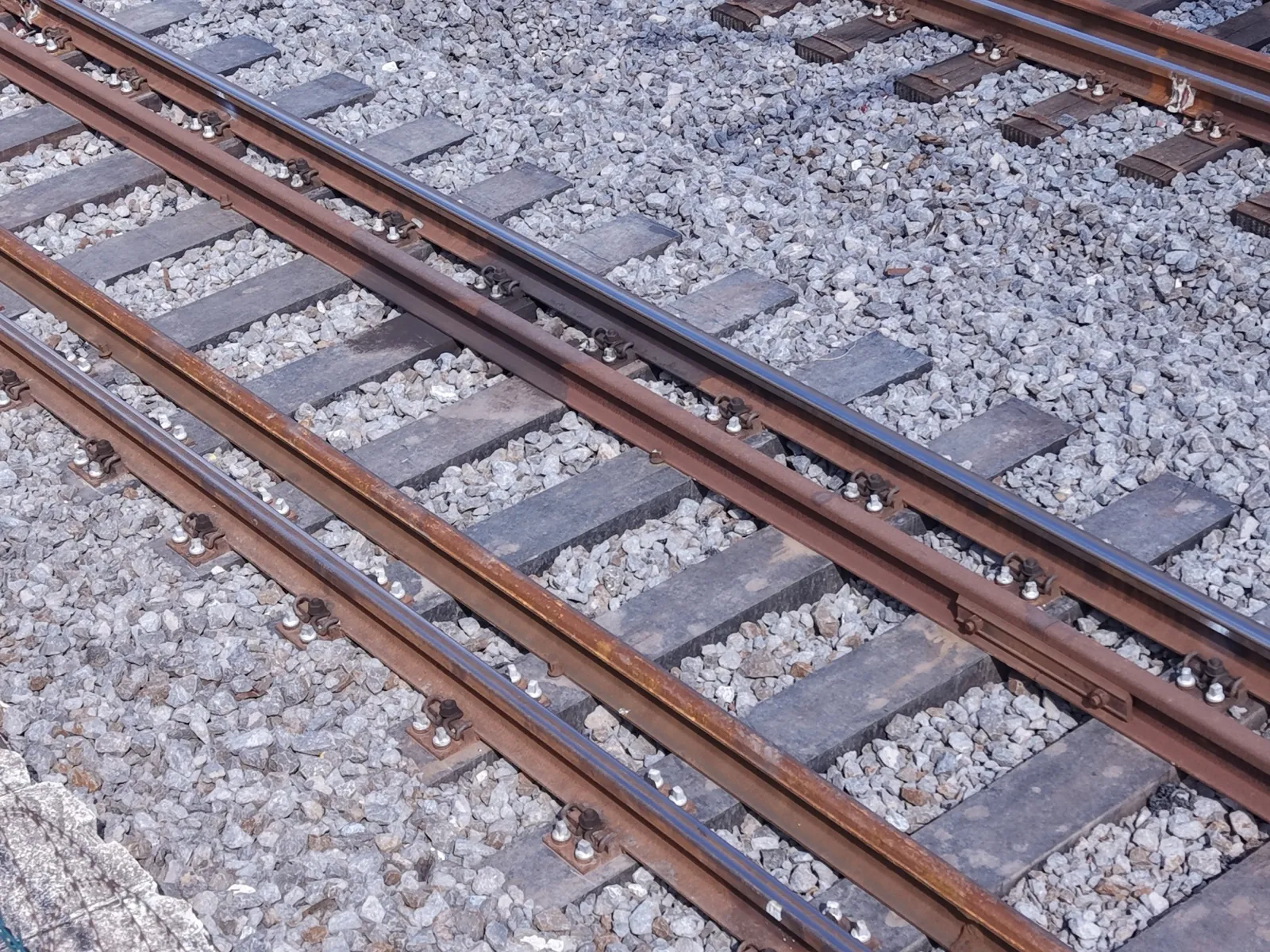
A composite-sleeper installation is under way on the Bursa urban rail line. Sleepers of different lengths were produced in the same set-up; dimensions and hole layout were taken from the line’s existing fastening system.
- Different sleeper lengths, one production set-up
- Hole layout matched to the existing fastening
- Marmara climate: humid seasons and frost nights together
Climate
The same dimension
in heat and in cold
Rerawa sleepers are in service in three distinctly different climates. In Adana, summer days exceed 40 °C and the sleeper surface in the sun runs hotter still. In Kayseri, winter temperatures fall into the minus twenties. In Bursa, high humidity and frost nights occur together.
The first demand a sleeper must meet on any of these lines is to hold gauge across that temperature range. The Rerawa formulation was developed for low thermal expansion and dimensional stability. Expansion and contraction stay limited as the sleeper heats and cools; coach-screw holes stay where they were drilled.
Unlike timber, it does not take up moisture and swell, or dry out and split. The dimensional play that loosens fastenings through the seasons is removed.
From the field
Installation photographs
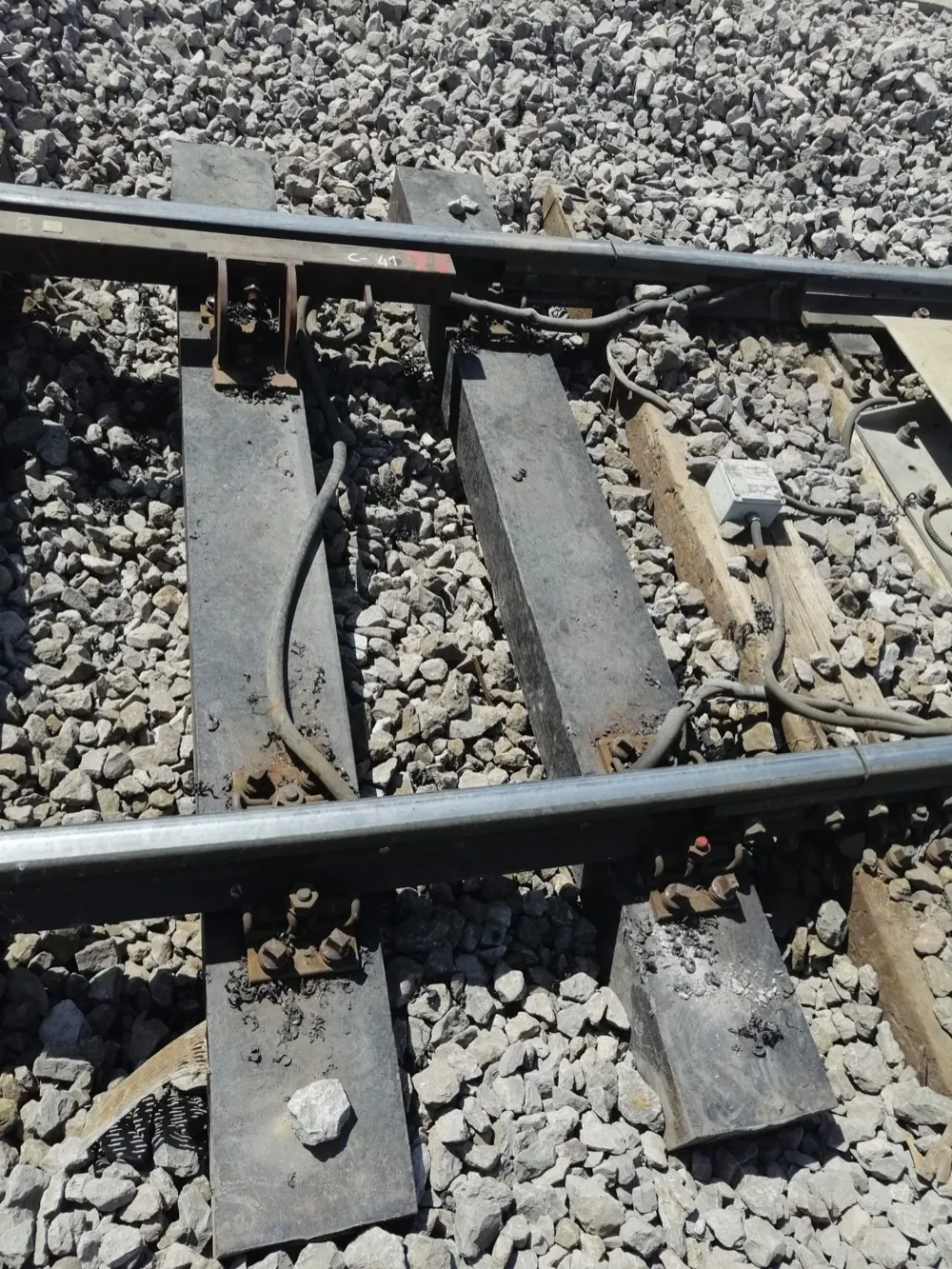
The lifted timber sleeper beside the composite that replaced it.
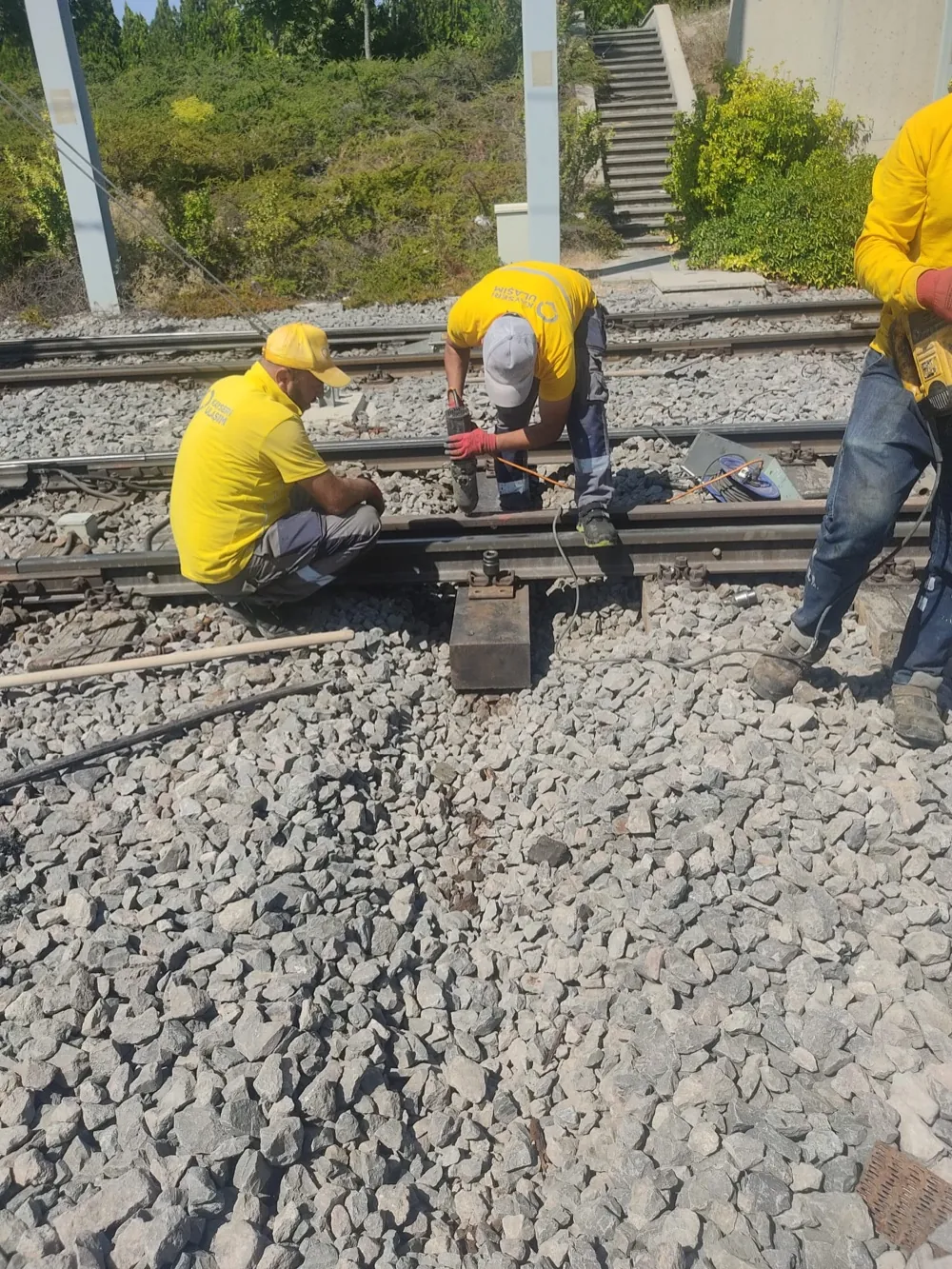
The coach-screw hole is drilled on site.
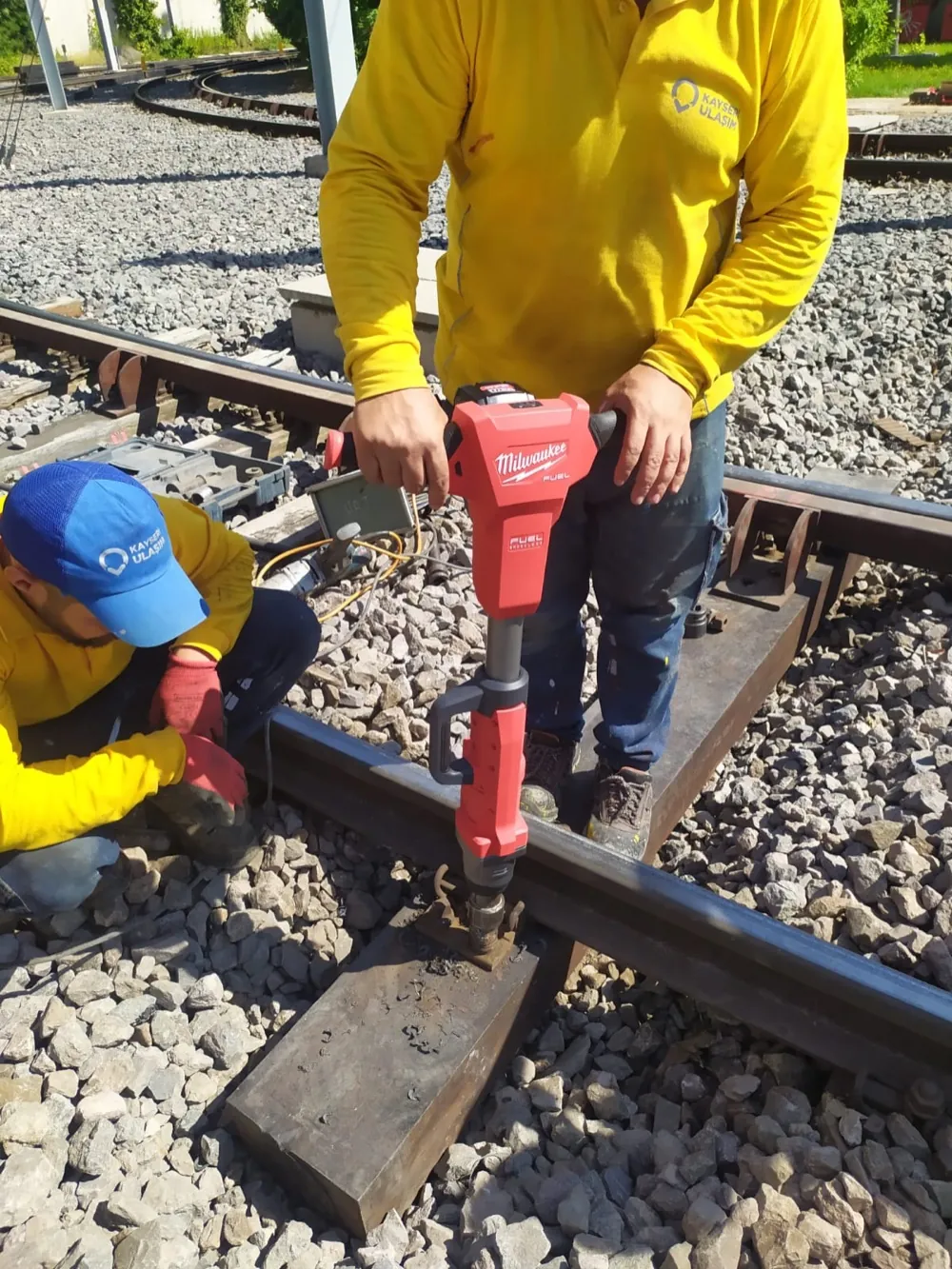
Drilling on a composite sleeper.
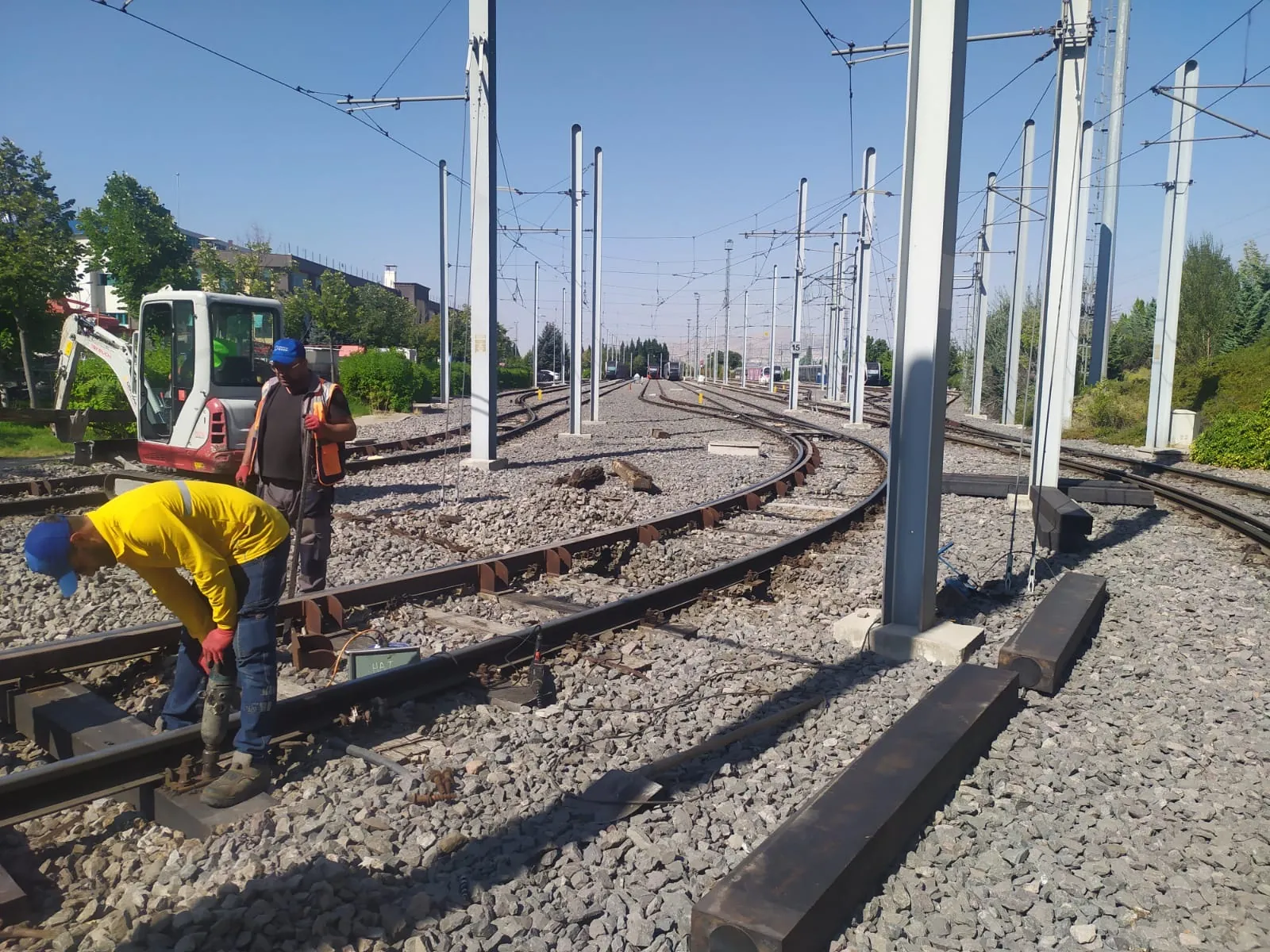
Sleeper replacement along the curve.
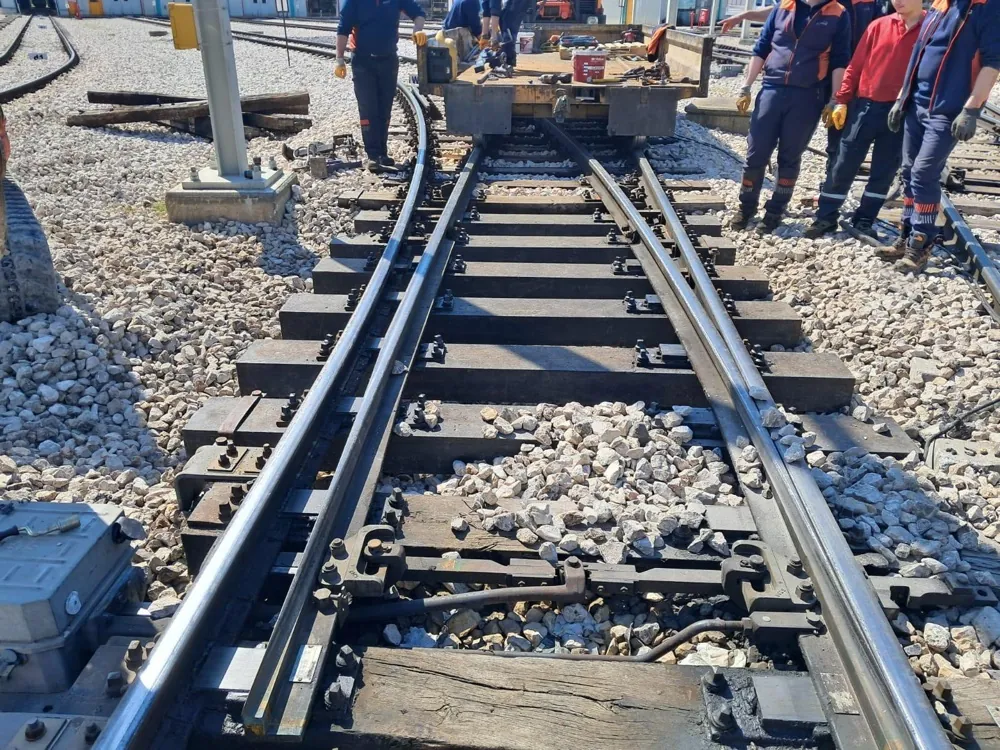
Standard Rerawa sleepers during installation.
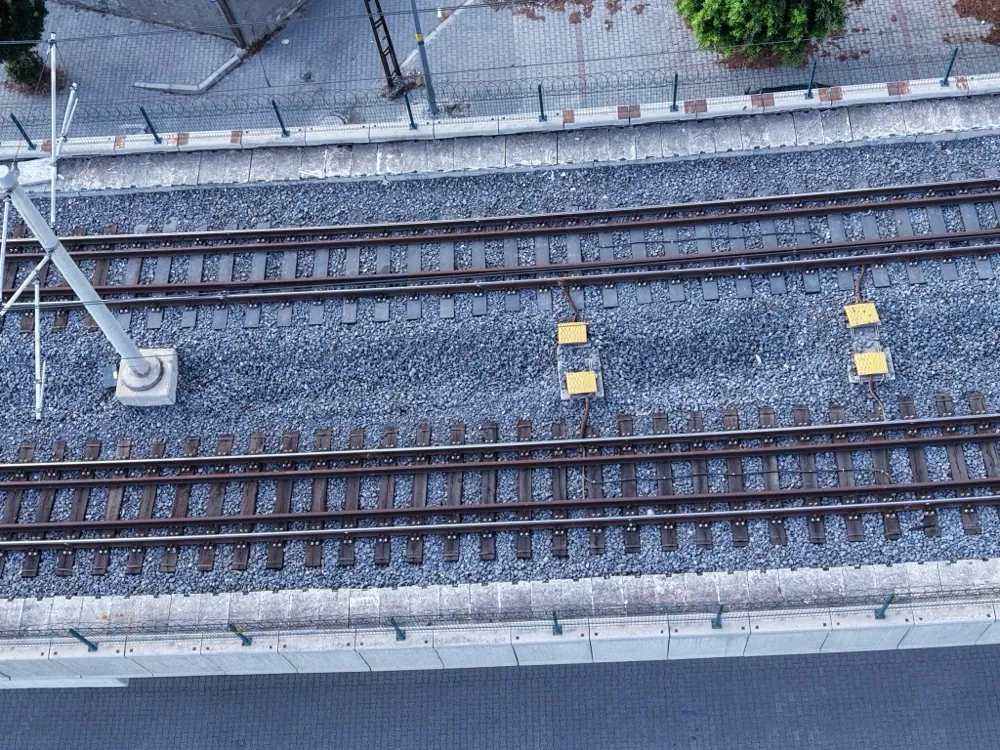
Rerawa sleepers in place of timber on the viaduct.
Where it is used
Applications
- Main-line and industrial railways
- Turnouts and diverging track
- Bridge and viaduct crossings
- Metro and light rail
- Mine and in-plant railways
- Port and logistics terminals