

Sustainability
From waste
to infrastructure
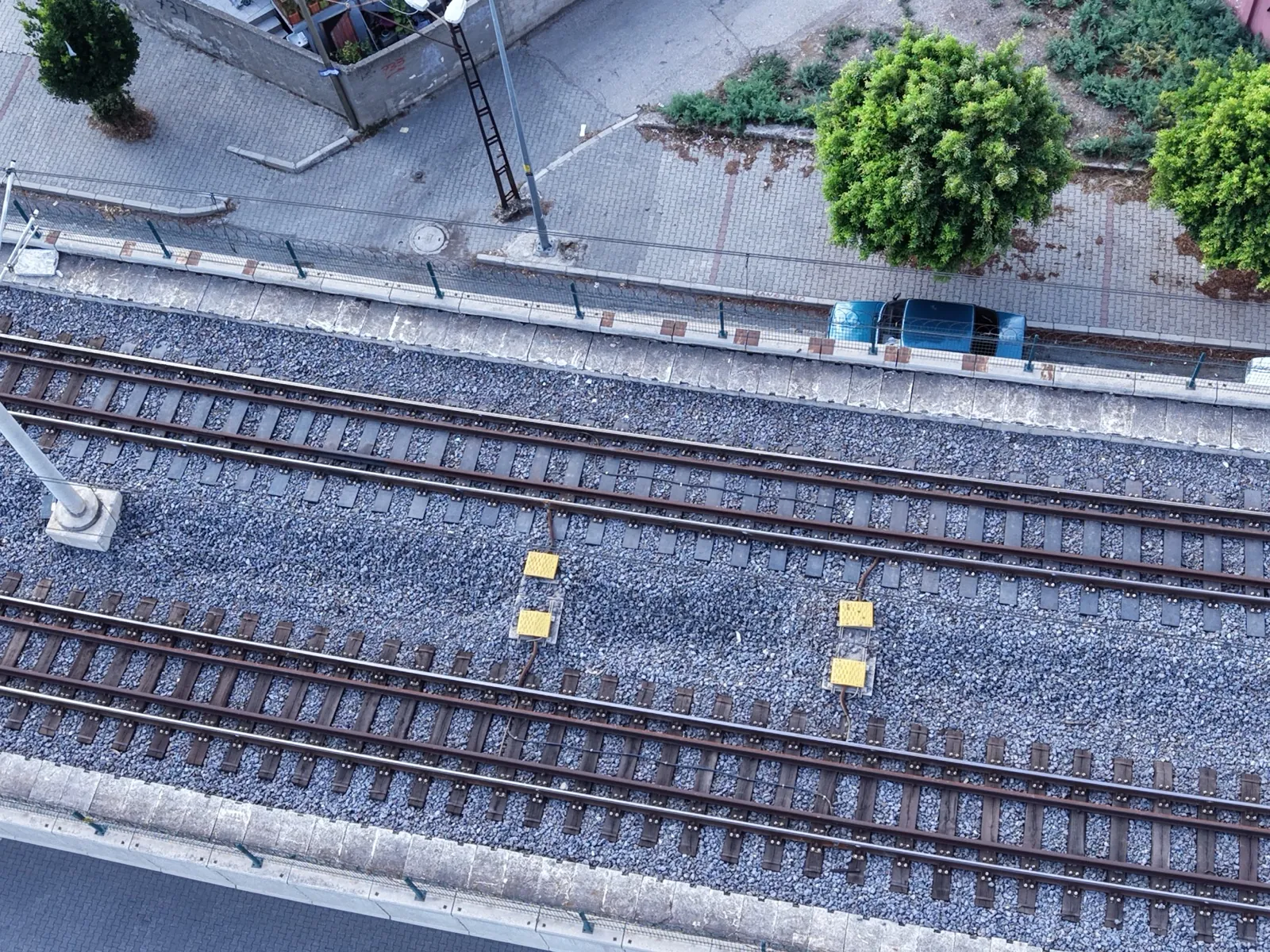
Short-lived plastic waste that harms the environment becomes an infrastructure material built for more than fifty years of service. At end of life, Rerawa sleepers can be recycled in full.
Collection and sorting
Household and industrial plastic waste is collected, sorted by type and prepared for production.
Upcycling
The waste becomes a sleeper that will work on railway track for decades. The entire chain — from feedstock preparation to finished product — runs in our own plant.
Remanufacture
After more than fifty years of service the sleeper is lifted, ground and returned to production.
Forest
No tree is felled
for production
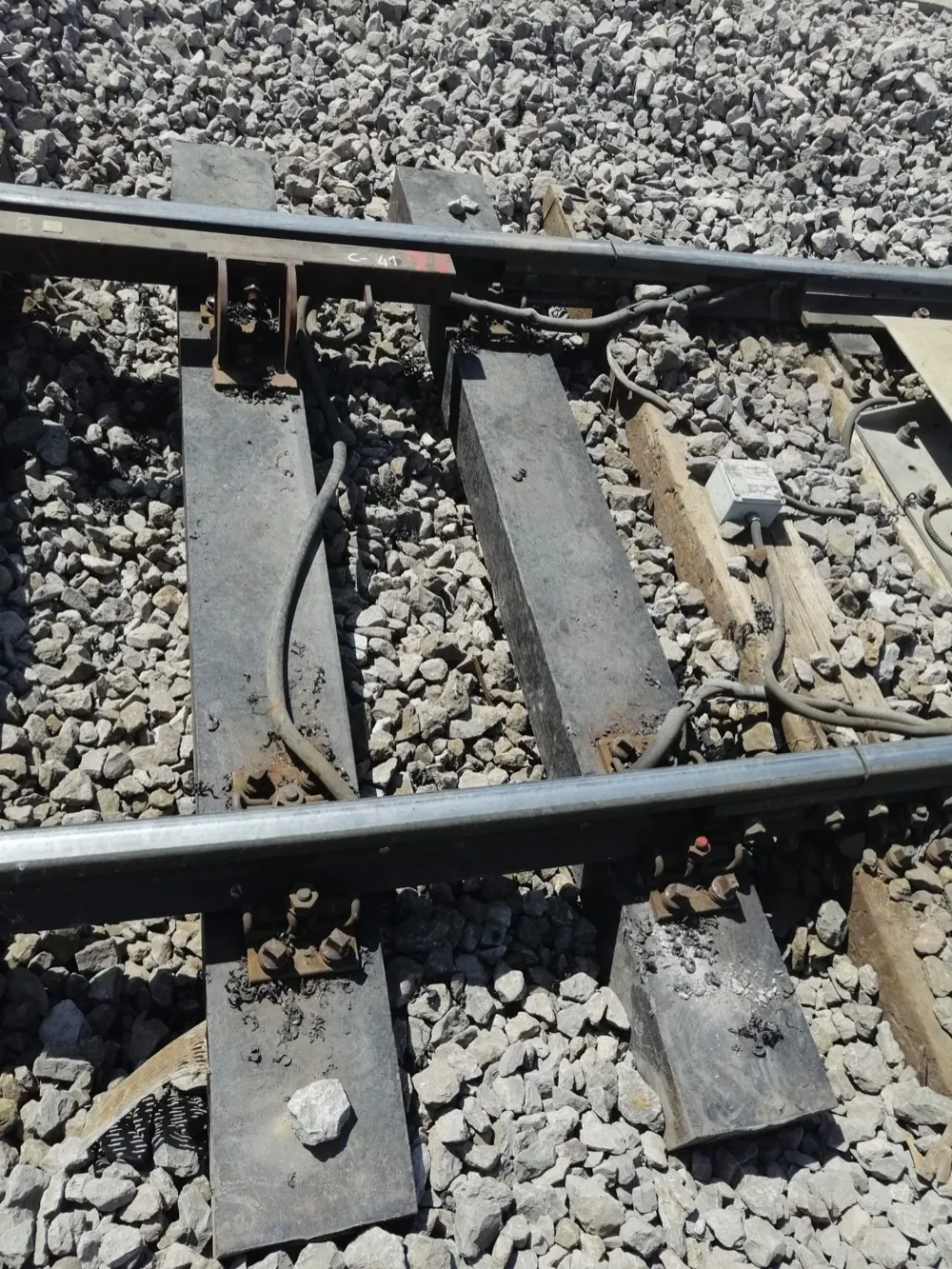
A conventional timber sleeper requires hardwood. Because the composite sleeper is a direct replacement, the line’s sleeper demand does not become a demand for timber; no tree is felled for production.
The creosote and impregnation chemicals required to protect a timber sleeper leave the process as well.
End of life
Back to
feedstock
A spent timber sleeper is classified as hazardous waste because of the creosote it contains. Recycling a concrete sleeper is tightly constrained; producing a new sleeper from crushed concrete is difficult, costly and not an environmental gain.
When a composite sleeper is lifted it is no longer waste — it is feedstock. It is ground and becomes a new sleeper.
Environmental effect
What changes
- Feedstock is recycled polymer
- Contains neither creosote nor impregnation chemicals
- No tree is felled for production
- No re-impregnation over its service life
- Remanufacture at end of life, instead of incineration or landfill