

About
In place of
the timber sleeper
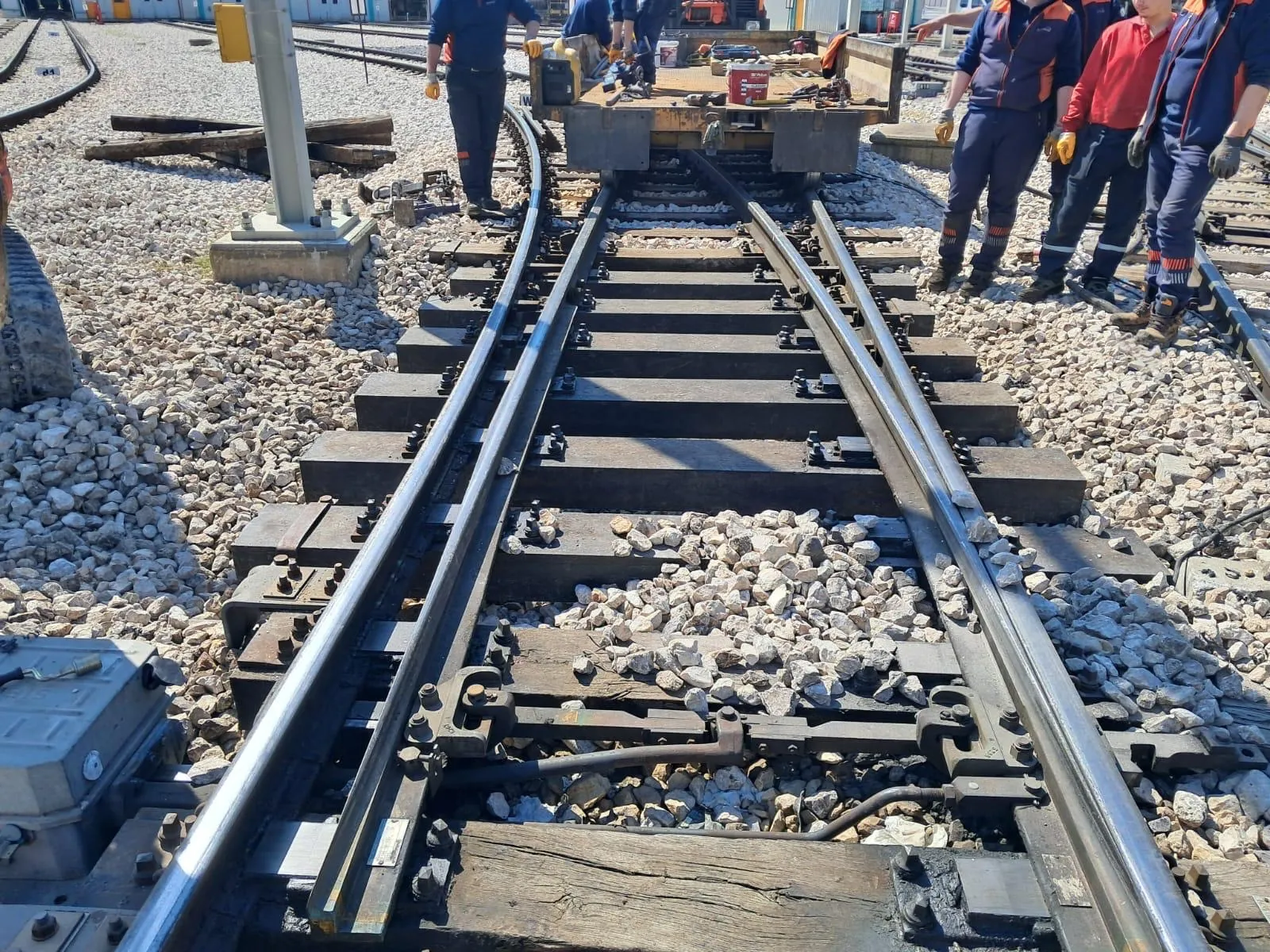
Hardwood scarcity, tightening creosote restrictions and rising maintenance costs have made timber sleepers increasingly hard to produce and to keep in service. Rerawa manufactures composite sleepers from 100% recycled feedstock — they machine like timber, yet last three times as long.
Why
The part of the track replaced most often: the sleeper
On a railway, the sleeper is the component renewed most frequently. A timber sleeper reaches the end of its life in about 15 years; throughout that period it must be protected with creosote, and when it is lifted it is disposed of as hazardous waste. Recycling it is difficult and tightly constrained. Concrete lasts longer, but it is heavy, and a derailment typically forces a mass replacement. Its brittleness also rules it out for long turnout sleepers.
Rerawa composite sleepers sit between the two. Close to timber in weight, they can be drilled and cut in the field. They do not rot, they are produced without environmentally harmful creosote, and at end of life they can be ground and returned to production in full.
Mission
Break the replacement cycle
To give our partners a longer-lived, fully recyclable alternative — manufactured from recycled materials — with a lower total cost of maintenance.
Vision
Spent sleeper, new feedstock
We want the composite sleeper to be a standard option on the railway, not an exception. A material that takes timber’s place without consuming forests, leaves no waste at end of life, and can be recycled in full.
Approach
Four principles
- Feedstock from plastic waste, not from timber
- Production without creosote or impregnation chemicals
- A sleeper that drills and cuts like timber — and is far easier to repair
- Compatible with existing fastening systems, and available on short lead times
In service
On live track
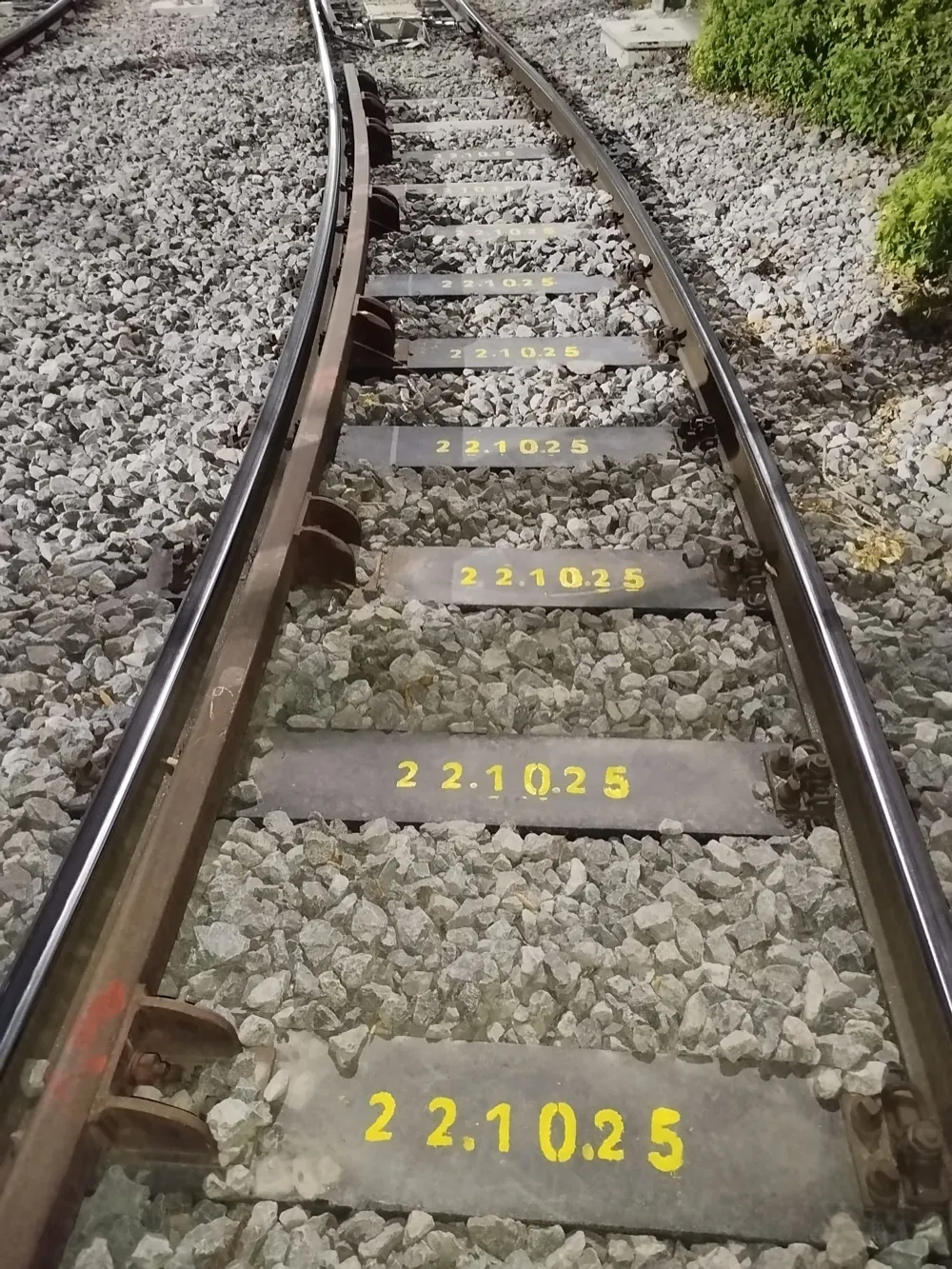 Kayseri
Light-rail line
In revenue service under a continental climate, dimensionally stable at low winter temperatures.
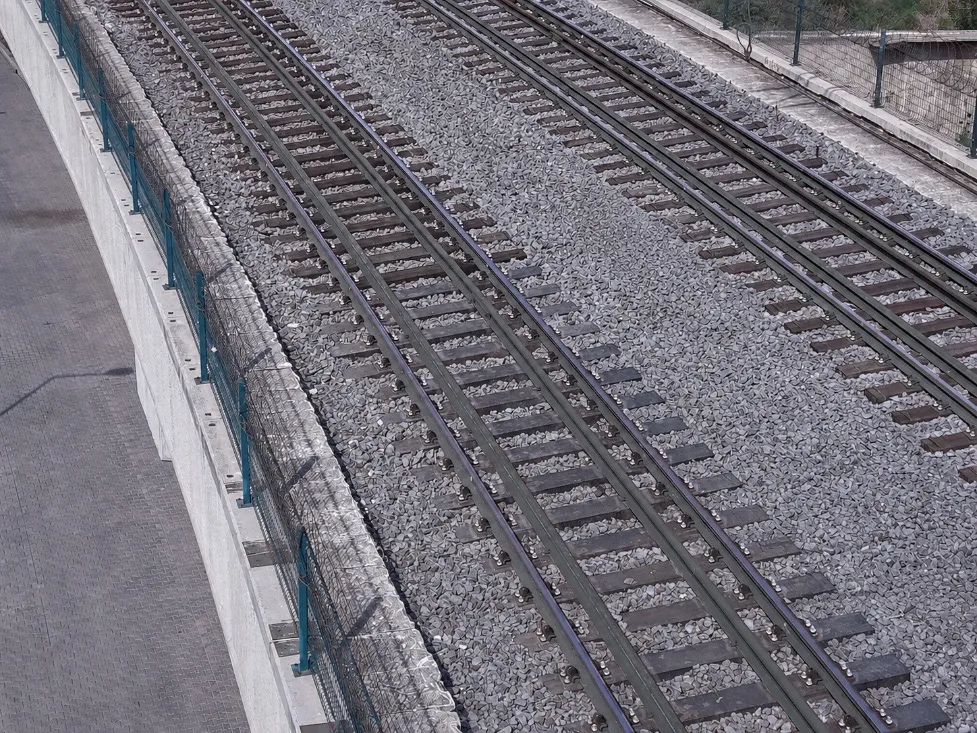 Adana
Adana
Metro viaduct
In revenue service under a Mediterranean climate, dimensionally stable through high summer temperatures.